Power Independence: Solar Hybrid & Backup Design

In an era where energy independence is becoming increasingly important, the integration of solar hybrid systems and backup designs offers a sustainable solution for homeowners and businesses alike. This blog post explores the advantages of solar hybrid systems, their design considerations, and how they can contribute to a more resilient energy future.
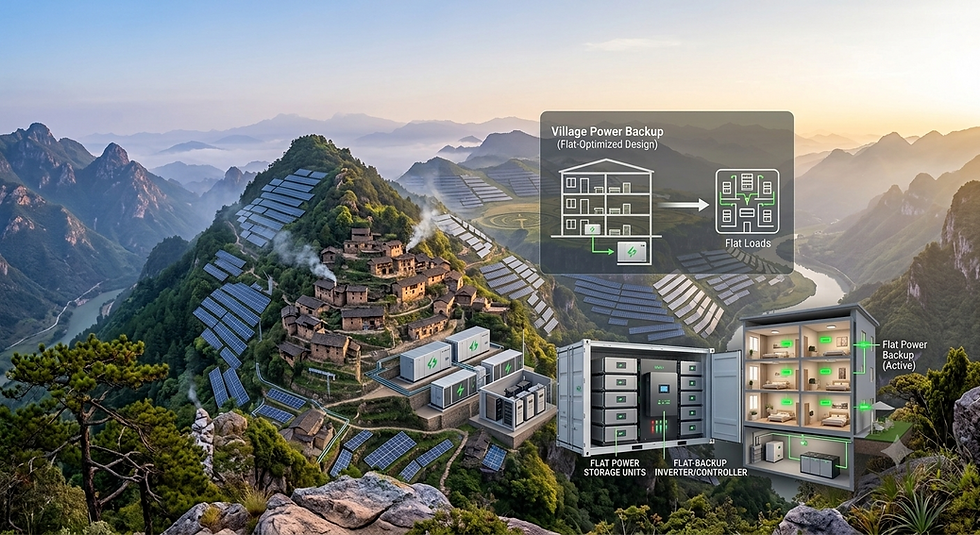
Understanding Solar Hybrid Systems
Solar hybrid systems combine traditional energy sources with solar power, allowing for a more reliable and efficient energy supply. These systems typically utilize solar panels, batteries, and a backup generator to ensure continuous power availability, even during outages or periods of low sunlight.
Components of a Solar Hybrid System
1. Solar Panels: The primary source of renewable energy, converting sunlight into electricity.
2. Inverter: Converts the DC electricity generated by solar panels into AC electricity for home use.
3. Battery Storage: Stores excess energy generated during sunny days for use during night-time or cloudy days.
4. Backup Generator: Provides additional power during extended outages or when solar production is insufficient.
5. Energy Management System: Monitors and optimizes energy use, ensuring efficiency and reliability.
Benefits of Solar Hybrid Systems
1. Energy Independence: By generating your own power, you reduce reliance on the grid and protect yourself from fluctuating energy prices.
2. Environmental Impact: Solar energy is clean and renewable, significantly lowering your carbon footprint.
3. Cost Savings: While the initial investment may be higher, the long-term savings on energy bills and potential tax incentives can make solar hybrid systems financially advantageous.
4. Resilience: With a backup generator and battery storage, you can maintain power during outages, ensuring that your home or business remains operational.
Design Considerations for Solar Hybrid Systems
When designing a solar hybrid system, several factors must be taken into account to ensure optimal performance:
1. Energy Needs Assessment
- Calculate your daily energy consumption to determine the size of the solar array and battery storage required.
2. Site Evaluation
- Assess the location for solar panel installation, considering factors like roof orientation, shading, and local climate.
3. Battery Selection
- Choose the right battery technology (e.g., lithium-ion, lead-acid) based on your energy storage needs, budget, and lifespan expectations.
4. Backup Generator Sizing
- Ensure the generator can handle your critical loads during power outages without being oversized, which can lead to inefficiencies.
5. Regulatory Compliance
- Be aware of local regulations and incentives that may affect your solar hybrid system installation and operation.
Solar hybrid and backup systems represent a significant step towards achieving power independence. By harnessing the sun's energy and integrating reliable backup solutions, individuals and businesses can enjoy the benefits of sustainable energy while enhancing their resilience against power outages. As technology continues to advance, the feasibility and efficiency of these systems will only improve, making them an attractive option for those seeking a greener, more independent energy future. Investing in a solar hybrid system not only contributes to personal energy security but also plays a vital role in the global transition towards renewable energy sources.


Comments